
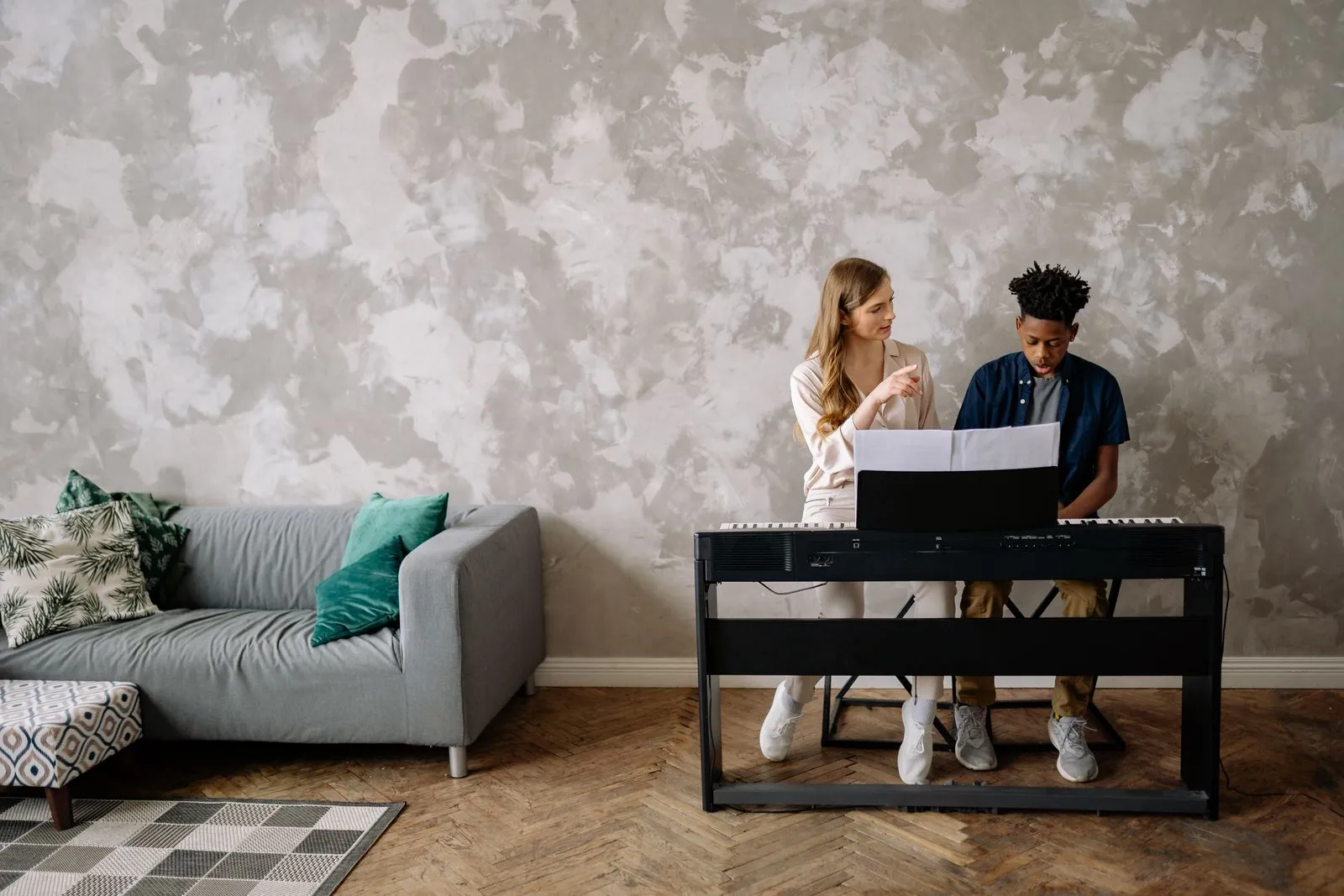
A good first piano should make regular practice comfortable and fit the realities of your home. The main choice is between an acoustic piano, which creates sound mechanically, and a digital piano, which uses speakers or headphones. Neither is automatically best for every beginner. Consider touch, sound, space, maintenance, and how the instrument will support lessons. A thoughtful choice can help a new player build useful habits without paying for features they do not need.
Acoustic or Digital?
An acoustic piano offers a natural response: pressing a key moves a mechanism that strikes strings. Many learners value its nuanced touch and full, resonant sound. However, acoustic pianos are heavy, take up space, and need periodic tuning and maintenance. Their volume may also be difficult to manage in a shared home, especially during early practice.
A digital piano is usually easier to place and maintain. Many models let players practice with headphones, adjust volume, and choose different sounds. Some include a metronome or recording tools. The feel and sound vary widely, so test the specific model if possible. A lightweight keyboard may be convenient, but it may not provide the stability or key response a learner needs for piano technique.
Check the Essential Features
For a digital instrument, look for 88 full-size keys with weighted action. Weighted keys offer resistance that more closely resembles an acoustic piano; graded weighting, which feels heavier in the lower register, can be a useful refinement. A sustain-pedal input matters too. Confirm whether a pedal and a stable stand come with the instrument or must be purchased separately.
Play notes across the keyboard and listen for even volume and a sound you enjoy. Try soft and firm presses to see whether the instrument responds to changes in touch. Check that the controls are straightforward and that headphones can connect easily if quiet practice matters. For an acoustic piano, test the keys for consistent response and ask a qualified piano technician to assess its condition before purchase.
Fit the Instrument to Home
Measure the intended space, including room to sit comfortably and move the bench. Check the route into the home, doorways, stairs, and floor strength before arranging delivery of an acoustic piano. Keep any piano away from direct sunlight, radiators, damp areas, and frequent temperature changes. These conditions can affect an acoustic instrument and make a comfortable practice space harder to maintain.
Set a realistic total budget that includes more than the instrument. A digital piano may require a stand, bench, pedal, headphones, or delivery. An acoustic piano can bring additional costs for moving, tuning, and upkeep. If you are unsure whether a beginner will continue, consider a quality used instrument or a suitable rental option, and check return terms, condition, and included accessories before committing.
Choose for Consistent Practice
The best instrument is one the beginner can use comfortably and often. Place it where practice can become part of the household routine, with sheet music or a tablet at eye level and a bench that supports a relaxed posture. Headphones can help with timing, but balance some sessions with audible playing so the learner can hear tone and dynamics in the room.
If possible, ask the piano teacher what features suit the learner’s lessons and repertoire. A beginner does not need a long list of effects or advanced recording tools. Prioritize dependable keys, a usable pedal, comfortable seating, and a sound that encourages practice. York Piano Studio can help local beginners consider an instrument alongside their learning needs.
Before buying, compare the instrument’s touch, sound, condition, total setup cost, and fit in your home. A well-chosen digital piano can serve many beginners, while an acoustic piano may suit those who want its distinctive response and can manage its care. If you would like guidance matching an instrument to lessons, contact York Piano Studio to discuss your options.